Dhaka, Jan 20 (IANS) Bangladesh’s political landscape remains predominantly male-dominated, reflecting a patriarchal society that discourages female participation in the political structure of the country, resulting in low representation of women across political parties at all levels, a report said on Tuesday.
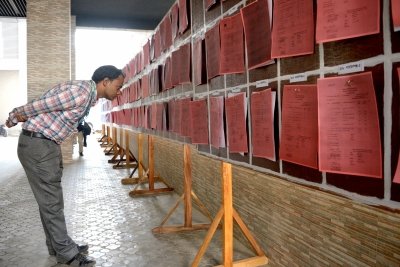
Writing for leading Bangladeshi daily Prothom Alo, Selim Jahan, former Director of the Human Development Report Office (HDRO) at the United Nations Development Programme (UNDP), cited media reports, stating that a total of 2,568 nomination papers have been submitted for the February 12 elections in Bangladesh, of which 109 are female candidates, representing 4.2 per cent of the total candidates.
He added that among these female candidates, 72 are party-backed and 37 are independent, implying that one in three female candidates has no party support.
“Politically, 50 political parties in Bangladesh are participating in the upcoming elections. Thirty of these parties have no female candidates, meaning three-fifths of the political parties in the country have not fielded a single female candidate. More than half of Bangladesh’s total population is female. In this situation, it is unfortunate that these 30 parties did not find even one qualified woman to nominate as a candidate,” the report detailed.
“Among the parties that have fielded female candidates, the Bangladesh Nationalist Party (BNP) and the Marxist Bangladesh Socialist Party (BSP) top the list with only 10 female candidates each. It is highly regrettable that a major grassroots-embedded political party like BNP could not or did not include more than 10 female candidates (merely 3 per cent) out of its 328 candidates,” it noted.
According to the report, radical Islamist party Jamaat-e-Islami — one of the major political parties in the country — has not fielded a single female candidate among its 279 nominees for the upcoming election.
Despite a consensus among political parties to nominate a minimum of five per cent women candidates in the elections, it now appeared that most political parties have failed to keep the commitment.
Essentially, the report said, women’s participation in Bangladesh’s political arena remains minimal, with very few actively engaged in politics.
“Consequently, fewer women run as candidates, participate in rallies, or campaign during elections. Society is not accustomed to seeing women in these roles. Furthermore, the traditional use of muscle power in elections in Bangladesh does not encourage women to run as candidates,” it noted.
–IANS
scor/as