Washington, May 31 (IANS) White House National Economic Council Director Kevin Hassett said on Sunday that refineries in India and Pakistan were among those affected by disruptions caused by the closure of the Strait of Hormuz, expressing hope that fuel supplies and prices would ease once the key shipping route reopens.
Speaking on ABC News’ “This Week”, Hassett said increased maritime traffic was already moving through the strait and suggested conditions could improve if ongoing negotiations succeed.
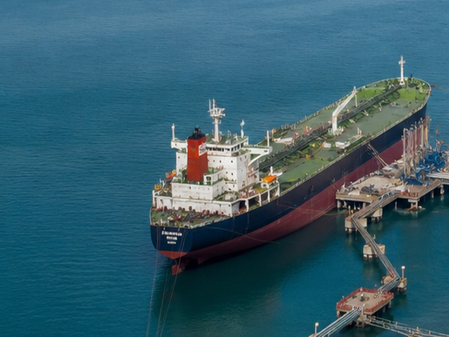
“When you get the Strait open, then it’s about 300 nautical miles per day for one of those big tankers. And so, the people in Pakistan and India that have refineries that are mostly shut down — they’re going to get their oil,” Hassett said.
“They’ll turn the refineries up, and then refined product prices will go down globally, and then it will spread from place to place,” he added.
His remarks came as the Trump administration continued talks aimed at extending a ceasefire with Iran and reopening the Strait of Hormuz, one of the world’s most important energy transit routes.
The administration has argued that progress is being made despite continued disruptions. Hassett noted that “there is actually a lot more traffic going through the Strait than there was two weeks ago”.
The closure of the waterway has rattled energy markets and contributed to higher fuel costs around the world. During the interview, Hassett acknowledged that Americans were facing elevated petrol prices.
“For sure, petrol prices are high,” he said. “They’re not quite as high as they were at their peak under Joe Biden, but they’re high.”
Asked about concerns that a prolonged disruption could send oil prices sharply higher, Hassett said markets had so far avoided the worst-case scenarios forecast by some analysts.
“Oil and gas prices have surprised by not being nearly as high as a lot of people forecast,” he said, pointing to alternative export routes and adjustments in global supply chains.
He also suggested economic pressure was mounting on Tehran.
“There’s a lot of pressure on Iran to finally agree to the president’s terms,” Hassett said.
The Strait of Hormuz links the Persian Gulf with the Gulf of Oman and the Arabian Sea. Roughly one-fifth of the world’s oil trade typically passes through the narrow waterway, making any disruption a major concern for global energy markets.
–IANS
int/lkj/pgh