Mumbai, Nov 19 (IANS) Citing erratic rainfall, prolonged dry spells, declining groundwater levels, and depleting water storage across parts of the state, the Maharashtra Planning Department has issued a Government Resolution (GR) on Thursday laying down guidelines for fund allocation, work prioritisation, and temporary suspension of non-essential water-intensive new construction works in scarcity-affected regions under the District Annual Plan (General) for the 2026–27 financial year.
The government has resorted to this move to conserve water amid worsening drought conditions across Maharashtra.
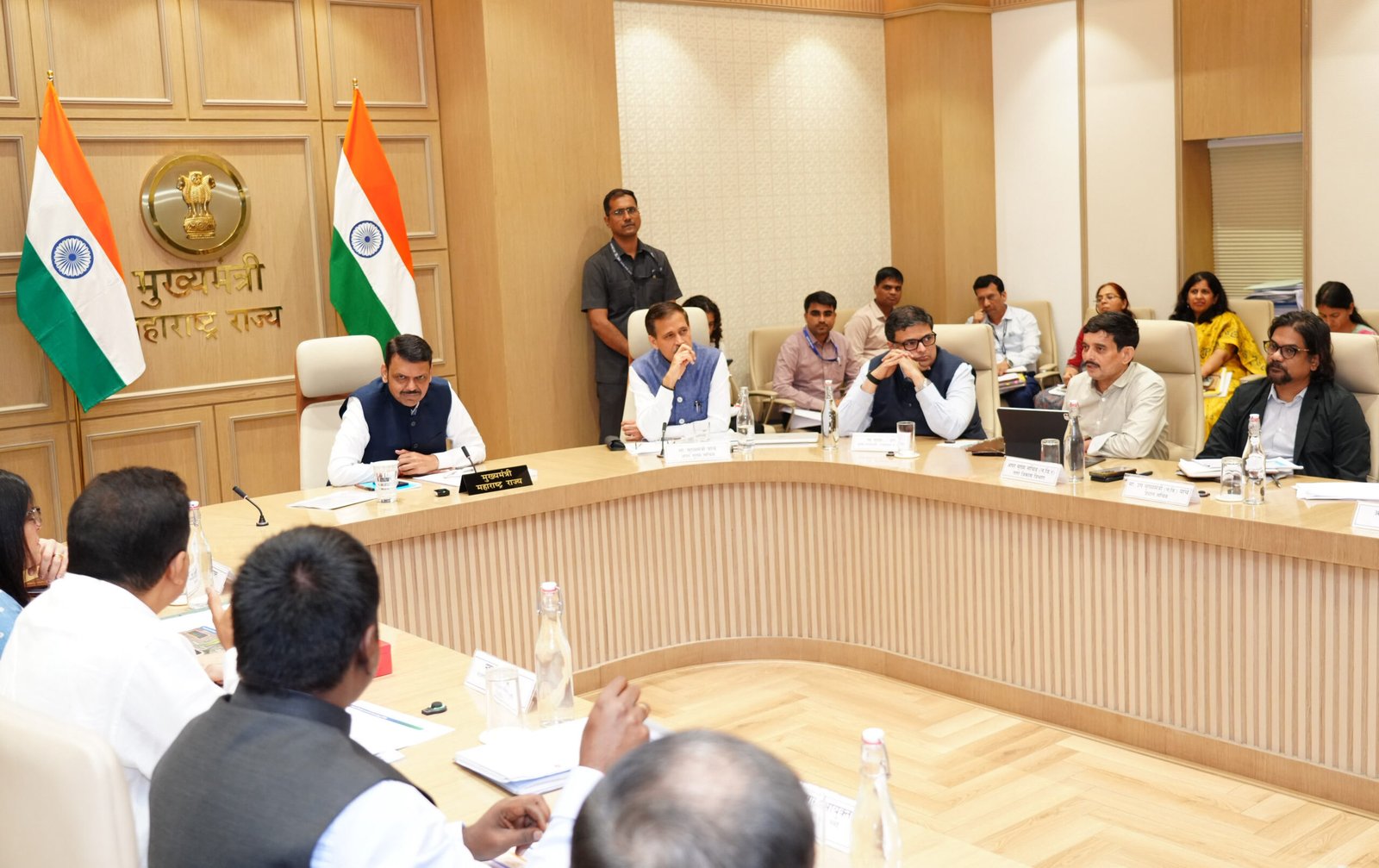
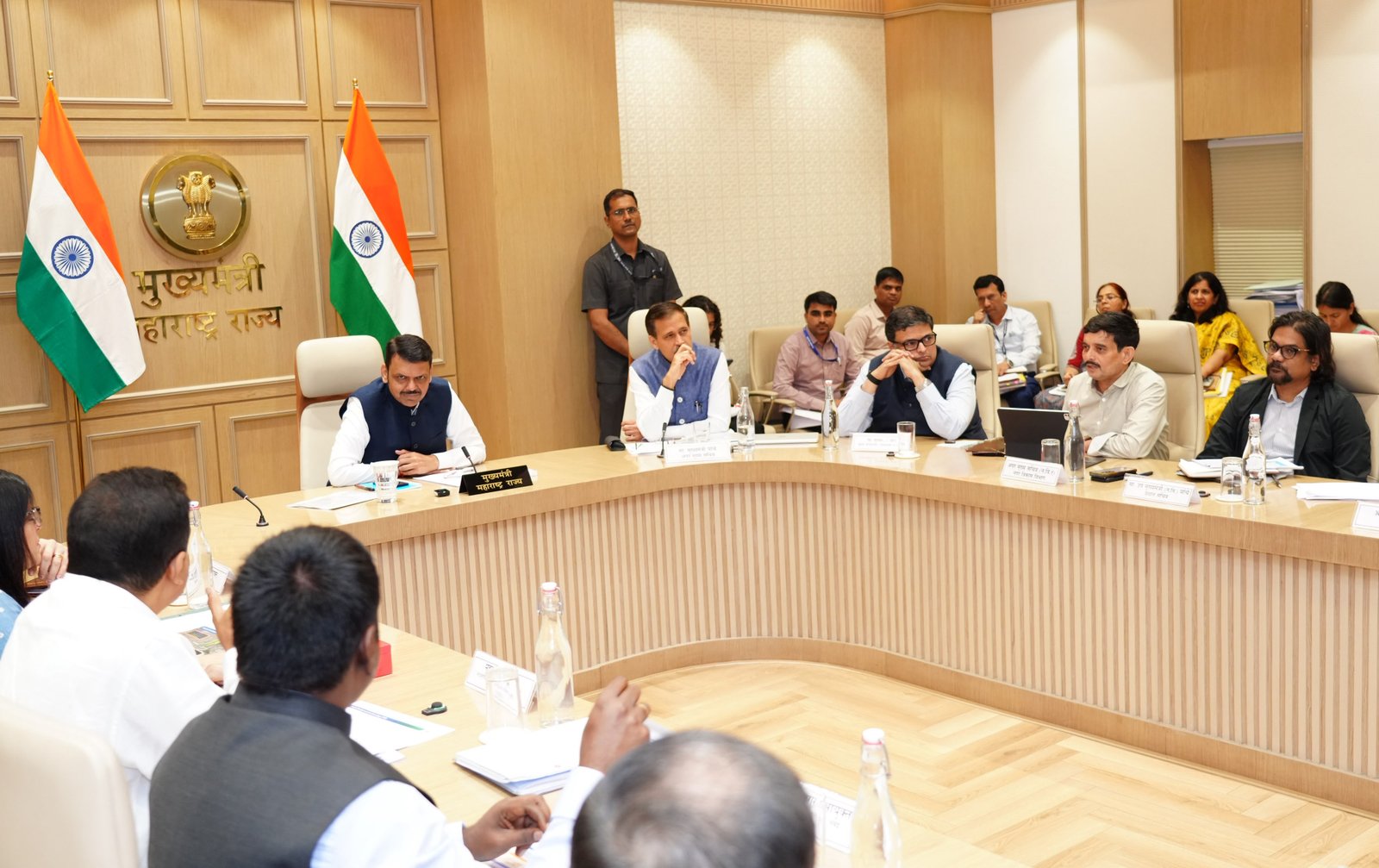
The state’s Planning Department, headed by Chief Minister Devendra Fadnavis, has also asked local authorities to redirect all resources toward ensuring uninterrupted drinking water supply in drought-declared talukas.
District Planning Committees (DPCs), led by District Collectors as member secretaries, have been directed to prioritise works that deliver direct water access to citizens and livestock within the scarcity period.
Priority categories include completing incomplete pipelines, pumps, connections, tanks, and distribution systems; repairing post-defect-liability water supply assets to curb leakage; linking water sources to scarcity-hit works; finishing nearly complete works facing minor fund shortfalls; and executing ongoing water supply schemes in the 304 drought-hit talukas.
Works such as Water Treatment Plants (WTPs), Sewage Treatment Plants (STPs), solar projects, and solid waste management in municipal councils/nagar panchayats slated for completion before March 31, 2027, along with fodder and water measures for livestock, public health, and essential livelihood works, are also eligible under the prioritised framework.
Collectors and DPC member secretaries are instructed to review and temporarily defer high-water-use works and non-essential new constructions—such as new gardens/beautification projects, new administrative or office buildings, cement roads under budget heads 3054 and 5054, public amenities, major gram panchayat cement roads/gutters, new drains, and other water-intensive works—until drought declarations are lifted. New construction under the guise of minor repairs is barred.
Funds freed from deferred or pushed-back works may be reallocated via reappropriation toward priority scarcity-relief works in the 304 talukas.
Direct drinking water availability, strengthening existing water sources or creating essential new ones, livestock water/fodder under applicable rules, essential water conservation/minor irrigation works, public health and safety works, and urgent disaster response works are exempted from the freeze, subject to scheme norms and approvals.
Works that can be finished and yield direct benefits during the current scarcity period get priority. Exceptional spillover liabilities into 2027–28 are capped at 10% of the sanctioned 2026–27 District Annual Plan (General) outlay and must be cleared from the 2027–28 budget.
Authorities must obtain administrative and technical approvals, generate unique work IDs, submit geo-tagged before-and-after photographs, maintain monthly reviews and reporting by the 10th of every month, and adhere to procurement, environmental, and statutory rules without exemptions, said the government resolution.
The provisions apply to the 304 declared drought talukas—as well as any talukas subsequently declared drought- or scarcity-affected by the Relief and Rehabilitation Department—for the duration of the declaration and under its conditions for FY 2026–27.
–IANS
sj/dan