IIT Bombay develops method to recover T-cells for cancer therapies

New Delhi, Feb 4 (IANS) Researchers at the Indian Institute of Technology (IIT) Bombay have developed a simpler and more efficient method to recover immune cells grown in the lab for T-cell–based cancer therapies.

In immunotherapies such as CAR T-cell, T-cells (a type of immune cell) are taken from a patient’s blood and modified in large numbers in the laboratory and infused back into the patient’s bloodstream to help fight cancer.

These cells, grown outside the body, must be collected gently so that they remain alive and functional when returned to the patient. Finding safe and efficient ways to grow T-cells and retrieve them is therefore an important part of making these therapies work.

“Cell recovery sounds simple on paper, but in practice it turns out to be one of the biggest challenges,” said Prof. Prakriti Tayalia, from the Department of Biosciences and Bioengineering at the IIT Bombay

“Without enough healthy cells, you cannot test them properly or use them for therapy,” she added.

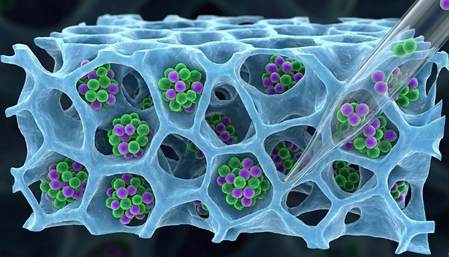
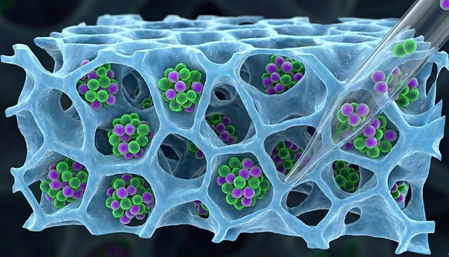
To better mimic the body’s natural environment, Tayalia’s team worked with a specific type of scaffold made using a process called electrospinning. These electrospun scaffolds look like thin mats made of very fine fibres, similar to a dense fishing net.

The team grew Jurkat T-cells (a human cell line grown and used in the laboratory to study T-cell biology, cancer, and HIV) inside electrospun scaffolds made from a material called polycaprolactone.

Under a microscope, the researchers observed that the cells actively moved into the scaffold and became tightly lodged between the fibres.

Further, the research showed that collecting the cells using trypsin, an enzyme, led to higher cell death.

In contrast, cells recovered with accutase, a milder enzyme, survived in greater numbers and behaved more like healthy T-cells. They formed clusters, an essential step before T-cells divide, and continued to grow well after recovery.

“Harsh treatments to cells, using enzymes such as trypsin, can damage key surface proteins needed for immune signalling and activation, reducing the cell’s therapeutic usefulness. Accutase appears mild enough to avoid this problem,” Tayalia said.

The study’s findings, published in the journal Biomaterials Science, could help laboratories use such scaffolds when preparing cells for therapies such as CAR T-cell treatment.

“If we want these advanced therapies to reach patients, every step matters. How we grow cells, and how we retrieve them, can make a real difference,” Tayalia said.

–IANS

rvt/

World-first fingerstick test to expand hepatitis B diagnosis access

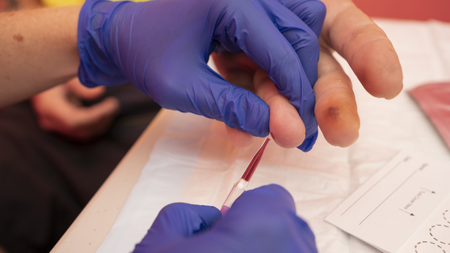
New Delhi, Feb 5 (IANS) A world-first Australian trial has found that a simple fingerstick test for hepatitis B DNA is as accurate as standard lab testing, paving the way for wider access in remote and resource-limited settings.

Published in the Journal of Clinical Microbiology, the study showed that the point-of-care test can deliver results within an hour and be performed in decentralised clinics, Xinhua news agency reported.

The fingerstick test can help overcome delays caused by laboratory-based testing, according to a statement from the Kirby Institute at the University of New South Wales in Australia.

“The results of our trial found that the fingerstick point-of-care test is highly accurate, closely matching the accuracy of traditional tests,” said Professor Gail Matthews, who led the research at the Kirby Institute.

The finding has the potential to “expand access to testing and treatment globally,” especially where access to testing is limited, Matthews said.

Hepatitis B, a viral infection that attacks the liver, affects an estimated 254 million people worldwide and causes over 1 million deaths annually, as per global statistics.

Though preventable by vaccine, only about 8 per cent of those living with chronic hepatitis B receive treatment, according to the World Health Organization (WHO).

Currently, hepatitis B DNA testing, for both diagnosis and monitoring, requires collecting a venous blood sample to be processed in centralised laboratories, meaning patients can need to travel long distances to take the test, and then often wait days or weeks for results. This delay and the multiple clinic visits involved can hinder timely treatment and care.

In comparison, the new point-of-care test can be done in small health clinics using a finger stick blood sample, which can be performed by a broader range of health care workers, and provides a result within 60 minutes.

It is an effective alternative to laboratory testing for many infectious diseases, including hepatitis C, but until now, its efficacy for hepatitis B DNA using finger stick blood has been unknown.

The new test could also support global efforts to meet the WHO target of eliminating hepatitis B as a public health threat by 2030, the researchers said.

–IANS

rvt/

Jitendra Singh unveils 1st open call under RDI Fund for high-risk tech commercialisation

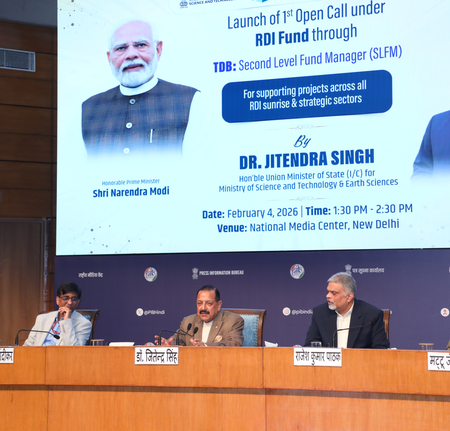
New Delhi, Feb 4 (IANS) Union Minister of State (Independent Charge) for Science & Technology Dr. Jitendra Singh on Wednesday launched the first open call of the Technology Development Board (TDB) under the Research, Development and Innovation (RDI) Fund.

The Minister said that nearly 191 proposals have been received, with a significant majority coming from the private sector.

“This response reflects growing confidence among private enterprises in the government’s commitment to support innovation-led growth,” Singh said.

“It is important to ensure that applications are aligned with the spirit of the scheme and that funding is utilised for genuine technology development and scale-up,” he added.

The first TDB Call under the RDI Fund focuses on supporting projects at Technology Readiness Level (TRL) 4 and above. Funding support will be provided through Second Level Fund Managers (SLFMs) in the form of loans, equity, or hybrid instruments, depending on project requirements.

The maximum funding support will be up to 50 per cent of the total project cost, with matching contributions from companies or private investors.

The RDI Fund, part of the Anusandhan National Research Foundation (ANRF), launched by Prime Minister Narendra Modi in November 2025, aims to strengthen India’s innovation ecosystem by supporting the commercialisation of indigenous technologies through structured and long-term financing.

The RDI Fund enables private enterprises to scale technologies in sectors that were earlier largely confined to the public domain.

It has a total corpus of Rs 1 lakh crore and offers financing at concessional interest rates of around 2-4 per cent, with long tenures of up to 15 years, including moratorium provisions.

Singh stated that the structure has been designed to make access to capital easier for technology developers while maintaining financial discipline.

The funding framework provides for collateral-free financing, with no requirement for personal or corporate guarantees. Proposal evaluation will be based on scientific, technological, financial, and commercial merit, with defined timelines for evaluation and disbursement, the Minister said.

–IANS

rvt/

UNDP-backed digital platforms boosting India’s immunisation ecosystem: Report

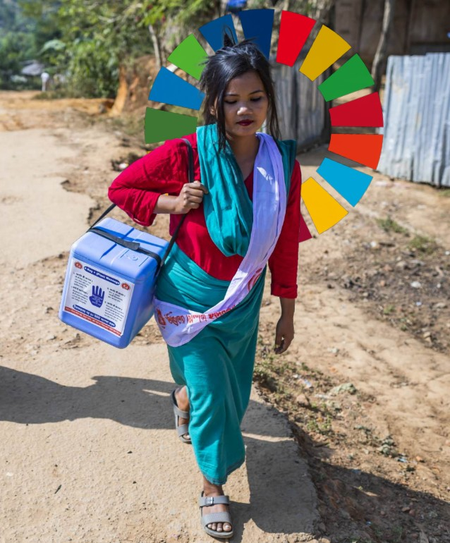
New Delhi, Feb 4 (IANS) Government-led digital platforms supported by the United Nations Development Programme (UNDP), including the U-WIN and eVIN, have strengthened India’s immunisation ecosystem, said a report from the UN agency on Wednesday.

In its annual report 2025, launched at UN House at the Country Programme Management Board meeting, the UN agency noted that U-WIN helped track immunisation services for 32 million pregnant women and 97 million children.

The eVIN, on the other hand, enabled monitoring of vaccine stocks and cold-chain temperatures across 30,000 cold-chain points, covering over 650 million doses.

Further, the immunisation platforms also expanded insurance coverage to 42 million farmers, while supporting 63,000 people with climate-resilient livelihoods in the country.

The report also demonstrated UNDP’s role in progress in areas including SDG localisation, acceleration, and financing, digital healthcare solutions, childcare support, crop insurance, and climate action.

“India’s development progress in 2025 reflects strong government leadership in delivering at scale through public systems. These systems are delivered across health, insurance, care, and climate action, reaching women, children, farmers, waste workers, and low-income households,” said Angela Lusigi, Resident Representative, UNDP India.

“UNDP is proud to have supported these efforts by strengthening technical expertise, helping public programmes function more effectively and respond faster when support was needed,” she added.

Further, the report noted that the UNDP worked with national and state governments to strengthen how the Sustainable Development Goals move from policy to delivery.

The SDG Coordination and Acceleration approach is now institutionalised across key ministries, supporting more aligned implementation.

At the subnational level, SDG monitoring frameworks are operational in 33 of 36 States and Union Territories, improving how data informs planning and budgeting.

Further, economic security was reinforced through stronger social protection and risk mitigation.

India’s crop insurance scheme, Pradhan Mantri Fasal Bima Yojana (PMFBY), expanded coverage to 42 million farmers. These measures helped farming households recover faster from climate and income shocks, the report said.

Community-based childcare models enabled women in low-income urban areas to take up paid work, while also creating jobs in the care economy.

In 2025, UNDP supported India in designing its National Adaptation Plan and a gender-responsive Biodiversity Finance Plan.

Community-led restoration initiatives supported more than 63,000 people with climate-resilient livelihoods, helping reduce vulnerability to environmental shocks while sustaining incomes, the report said.

–IANS

rvt/

PM-JAY boosts access to complex spine surgeries, reduces out-of-pocket costs: Study

New Delhi, Feb 4 (IANS) The government’s flagship Ayushman Bharat Pradhan Mantri Jan Arogya Yojana (AB-PMJAY) has significantly improved access to complex spine surgeries and eliminated out-of-pocket costs, reducing the financial burden on patients from a lower economic background, according to a new study.

The study conducted by the Postgraduate Institute of Medical Education and Research (PGIMER), Chandigarh, demonstrated a substantial increase in the utilisation of PMJAY for spine surgery, with a concurrent decline in self-financed procedures.

The retrospective, single-centre observational study was conducted, analysing all spine surgeries performed from January 2023 to December 2024. A total of 410 patients (249 males and 161 females) underwent spine surgery during the study period.

The majority of cases included degenerative spinal disorders (46.1 per cent) and traumatic injuries (33.4 per cent).

Overall, 276 procedures (67.3 per cent) were funded under PM-JAY, while 110 (26.8 per cent) were self-financed.

“PM-JAY utilisation increased from 58.7 per cent (101/172) in 2023 to 73.5 per cent (175/238) in 2024. Correspondingly, self-financed procedures declined from 37.8 per cent in 2023 to 18.9 per cent in 2024,” said the team from the Department of Orthopaedic Surgery, PGIMER.

“By eliminating out-of-pocket costs for 73.5 per cent of our 2024 cohort, the scheme has engaged the economically disadvantaged population that was previously excluded,” they added.

The findings, published in the Journal of Clinical Orthopaedics and Trauma, suggest that “publicly funded insurance is effectively improving financial access to implant-intensive spine care across a broad spectrum of pathologies. However, robust clinical governance remains essential to ensure equitable implementation and prevent overutilisation”.

ABPMJAY, launched in 2018, represents the world’s largest publicly funded health insurance programme, providing coverage of up to Rs 5 lakh per family per year for secondary and tertiary care to eligible households.

The scheme aims to reduce catastrophic health expenditure and improve access to essential healthcare services by empanelling both public and private hospitals across the country. Since its inception, PM-JAY has been increasingly utilised for high-cost surgical interventions, including orthopaedic and spine procedures.

“Expansion of coverage to include postoperative rehabilitation and essential orthotic devices could improve continuity of care and long-term functional outcomes. Additionally, standardised data capture and reporting across empanelled institutions would facilitate ongoing evaluation of utilisation patterns, outcomes, and cost-effectiveness,” the researchers said.

–IANS

rvt/

Ayushman Arogya Mandirs strengthening fight against cancer: JP Nadda

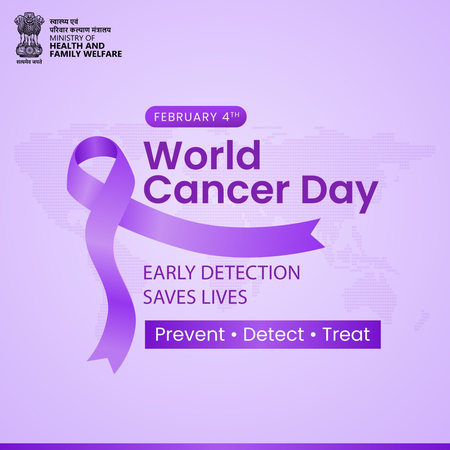
New Delhi, Feb 4 (IANS) Ayushman Arogya Mandirs is strengthening the fight against cancer in India, said Union Health Minister JP Nadda on World Cancer Day on Wednesday.

World Cancer Day is observed every year on February 4 to raise awareness about cancer and the advancements in technology to fight it.

As per ICMR’s National Cancer Registry estimates, India recorded over 15.3 lakh new cancer cases in 2024 and around 8–8.7 lakh deaths, against a global burden of 20 million new cases and 9.7 million deaths in 2022.

Taking to the social media platform X, the Health Minister stressed the importance of early detection and regular screening, as well as the steps taken by India to combat the deadly disease.

He also mentioned the waiving of customs duty on 17 cancer drugs in the recent Union Budget, making medicines more affordable.

“Under the visionary leadership of PM Narendra Modi, several initiatives have been introduced to strengthen cancer care in India. The establishment of Cancer Day Care units in every district and the exemption of customs duties on important cancer medicines will provide major relief to patients. Ayushman Arogya Mandirs are also strengthening our fight against cancer through large-scale screenings, enabling early detection and timely treatment across the country,” Nadda said.

“On World Cancer Day, we come together to raise awareness about cancer and the importance of early detection, prevention, and timely care. It reminds us to support survivors and encourage regular screenings for a healthier future society,” he added.

Welcoming the waiver on customs duty for cancer drugs, experts also underscored the need to translate higher health investments into stronger cancer systems.

“India’s health sector is at a defining moment, with the Union Health Budget crossing Rs 1 lakh crore for the first time and firmly positioning healthcare as a driver of economic growth, social equity, and the India@2047 vision,” said Amit Kumar Ghosh, Additional Chief Secretary, Medical Health & Family Welfare and Medical Education, Uttar Pradesh.

“Through initiatives such as Ayushman Bharat, population-based screening, new cancer institutes, and planned cancer day-care centres, our focus is on early detection, timely referral, and affordable treatment. Going forward, stronger public–private collaboration and patient‑centric policies will be key to reaching the last mile,” he added, while speaking at the IHW Cancer Summit in the national capital.

Dr Shyam Aggarwal, Chairman, Medical Oncology, at a Delhi-based hospital, noted that the future of cancer care lies with advanced technology.

“On this World Cancer Day today, my thoughts are on the evolution of technology – tilting towards deep sequencing of DNA genes to decide cancer treatment. Moving beyond imaging, that is, detecting tumours less than 5mm,” Aggarwal said.

“It is the future of oncology. We will soon start asking patients – Is your ctDNA negative? We need to push our labs and researchers to adopt this technology as it is becoming routine in other countries,” he added.

–IANS

rvt/

‘Raging health crisis’: AAP MP raises alarm in RS over ‘widespread’ food adulteration

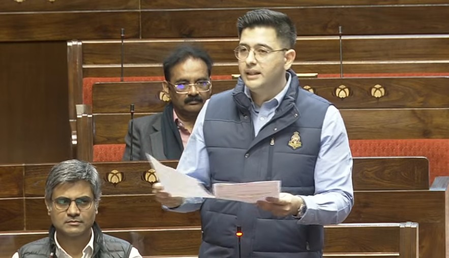
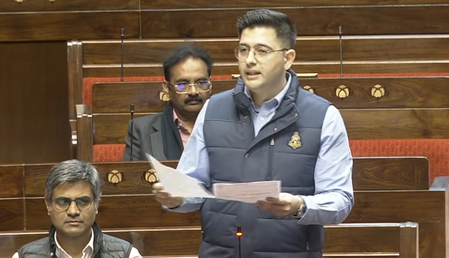
New Delhi, Feb 4 (IANS) Aam Aadmi Party Rajya Sabha MP Raghav Chadha on Wednesday highlighted the severe issue of food adulteration in the country, describing it as a raging health crisis that poses grave risks, particularly to children, the elderly, and pregnant women.

Speaking during the ongoing Parliament session, Chadha accused companies of selling harmful products under misleading claims of being healthy and energy-boosting.

He detailed how everyday essentials are contaminated with dangerous substances. Milk often contains urea, vegetables are injected with oxytocin to appear fresh and accelerate growth, paneer includes starch and caustic soda, ice cream has detergent powder, fruit juices carry synthetic flavours and artificial colours, edible oils are mixed with machine oil, spices contain brick powder and sawdust, tea is dyed with synthetic colours, and poultry items are laced with anabolic steroids.

Even traditional sweets, expected to be made with pure ghee, are prepared using vegetable oil and vanaspati.

Chadha painted a poignant picture of a mother unknowingly giving her child milk laced with urea and detergent, believing it provides calcium and protein for health.

He cited a research study showing that 71 per cent of milk samples contained urea and 64 per cent had neutralisers like sodium bicarbonate. He noted that milk production in the country falls short of the volumes sold, indicating widespread dilution and adulteration.

The MP pointed out that adulteration affects medicines and vegetables as well, with oxytocin — a chemical linked to dizziness, headaches, heart failure, infertility, and cancer — being commonly used. Between 2014-15 and 2025-26, he said, adulteration was detected in 25 per cent of tested samples, meaning one in every four items failed standards.

Chadha referenced international repercussions, noting that products from two major Indian spice companies were banned in the UK and across Europe due to cancer-causing pesticides, yet the same products continue to be sold freely in India.

He lamented that items unfit even for pets abroad are consumed indiscriminately here.

Emphasising the human cost — illnesses, hospitalisations, and potential loss of lives — Chadha urged immediate action.

He proposed strengthening the Food Safety and Standards Authority of India (FSSAI) with adequate manpower and laboratory facilities, increasing financial penalties for violators, introducing a public recall mechanism to name and shame adulterated products, and banning misleading health claims in advertisements.

–IANS

sktr/dpb

7.1 million cancer cases worldwide preventable, tobacco biggest culprit: WHO

New Delhi, Feb 4 (IANS) Up to four in 10 or 7.1 million cancer cases worldwide could be prevented, according to a new global analysis from the World Health Organization (WHO) and its International Agency for Research on Cancer (IARC) on Wednesday.

The study, released on World Cancer Day on February 4, identified tobacco as the leading preventable cause of cancer globally, responsible for 15 per cent of all new cancer cases.

It also found, for the first time, that nine cancer-causing infections are responsible for about 10 per cent of cancer cases.

Other reasons include alcohol, high body mass index, physical inactivity, air pollution, and ultraviolet radiation.

The analysis, based on data from 185 countries and 36 cancer types, estimated that 37 per cent of all new cancer cases in 2022, around 7.1 million cases, were linked to preventable causes.

Three cancer types – lung, stomach and cervical cancer- accounted for nearly half of all preventable cancer cases in both men and women, globally.

Lung cancer was primarily linked to smoking and air pollution, stomach cancer was largely attributable to Helicobacter pylori infection, and cervical cancer was overwhelmingly caused by human papillomavirus (HPV).

“This is the first global analysis to show how much cancer risk comes from causes we can prevent,” said Dr Ilbawi, WHO Team Lead for Cancer Control, and author of the study.

“By examining patterns across countries and population groups, we can provide governments and individuals with more specific information to help prevent many cancer cases before they start,” he added.

The burden of preventable cancer was substantially higher in men than in women, with 45 per cent of new cancer cases in men compared with 30 per cent in women.

In men, smoking accounted for an estimated 23 per cent of all new cancer cases, followed by infections at 9 per cent and alcohol at 4 per cent.

Among women globally, infections accounted for 11 per cent of all new cancer cases, followed by smoking at 6 per cent and high body mass index at 3 per cent, the report said.

The findings underscore the need for context-specific prevention strategies that include strong tobacco control measures, alcohol regulation, vaccination against cancer-causing infections such as human papillomavirus (HPV) and hepatitis B, improved air quality, safer workplaces, and healthier food and physical activity environments.

Addressing preventable risk factors not only reduces cancer incidence but also lowers long-term health care costs and improves population health and well-being, the study said.

–IANS

rvt/sd/

Australian scientists uncover how lung cancer cells can predict treatment response

New Delhi, Feb 4 (IANS) Scientists in Australia have mapped the “neighbourhoods” of lung cancer cells and found that cell metabolism plays a key role in determining how patients respond to immunotherapy.

Researchers from the University of Queensland’s (UQ) Frazer Institute studied cell interactions at cellular resolution in non-small cell lung carcinoma, the most common form of lung cancer, to better understand why some patients don’t respond to immunotherapy treatment, Xinhua news agency reported.

Using machine-learning algorithms and computational approaches, the team examined how cells interact and metabolise glucose, which cancer cells thrive on, said Associate Professor Arutha Kulasinghe from UQ’s Frazer Institute.

“We were able to dive deep into the complex nature of cells, basically looking at the cells’ personal lives in the complex composition of a tumour, and found certain metabolic neighbourhoods were associated with response and resistance to immunotherapy,” Kulasinghe said.

Immunotherapy is costly and benefits only a minority of patients, he said. The researchers added that “it’s important to understand how to identify these patients, and those that might need combination or alternative therapies.”

Lead author James Monkman from UQ’s Frazer Institute said higher glucose uptake in cancer cells was associated with poorer outcomes.

“We know cancer cells love sugar, and we analysed where glucose was being processed in the cells and where it wasn’t,” Monkman said.

“You could have a region of a tumour processing glucose in a completely different way to another area of the tumour.”

The findings are published in the journal Nature Communications.

The next step is to develop targeted treatments, such as with metabolic inhibitors, to make immunotherapy more effective, and eventually enable precision medicine tailored to each patient’s tumour, with plans to extend the approach to other cancers, the researchers said.

–IANS

rvt/sd/

India-US trade deal game-changer for MedTech, pharma sectors: Industry

New Delhi, Feb 3 (IANS) The trade deal between India and the US is a game-changer for the Indian MedTech and pharma sectors, said industry experts on Tuesday.

In a historic move, the US has announced a reduction in tariffs on Indian exports to 18 per cent from 50 per cent, which is a constructive development for the India-US trade relations.

The US is India’s largest export destination, accounting for about 20 per cent of total exports.

The Association of Indian Medical Devices (AiMeD), hailed the deal and noted that it can prove to be a “vital boost for our manufacturers, enhancing global competitiveness, spurring investments, and creating jobs”.

“The US tariff slash from 50 per cent to 18 per cent is a game-changer for Indian medical devices, slashing export costs and unlocking billions in US market potential amid China+1 shifts. We urge sustained India-US regulatory harmonisation to capitalise fully on this opportunity for ‘Make in India’ MedTech success,” said Rajiv Nath, Forum Coordinator, AiMeD.

Further, Nath noted that the US tariff cut to 18 per cent on Indian goods also provides Indian medical devices a competitive edge over Chinese counterparts, which face higher Section 301 tariffs typically at 25 per cent plus additional hikes (up to 50-60 per cent on some items like respirators).

“Previously, India endured up to 50 per cent duties while China had around 30 per cent, but the new deal aligns India’s rate below China’s base, favouring India amid China+1 diversification,” he added.

The Pharmaceuticals Export Promotion Council of India (Pharmexcil) also highlighted the positive implications of the India-US trade deal for the Indian pharma sector.

“The India-US trade agreement represents a pivotal moment for the pharmaceutical sector, with key highlights including the reduction of tariffs on Indian goods exports,” said Namit Joshi, Chairman – Pharmexcil.

“The reduction in reciprocal taxes is incrementally positive for Indian pharmaceutical companies, particularly those with significant exposure to the US market, which accounts for 30-40 per cent of the sector’s total revenue,” he added.

Joshi noted that the deal also fosters greater market access for Indian generics and biosimilars, strengthening India’s position as the global leader in affordable medicines.

“By enhancing trade ties, streamlining regulatory processes, and ensuring supply chain resilience, this agreement will drive growth in India’s pharmaceutical exports, unlock new opportunities for innovation, and reinforce the country’s critical role in global healthcare,” the expert said.

–IANS

rvt/