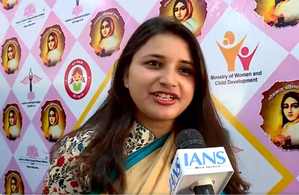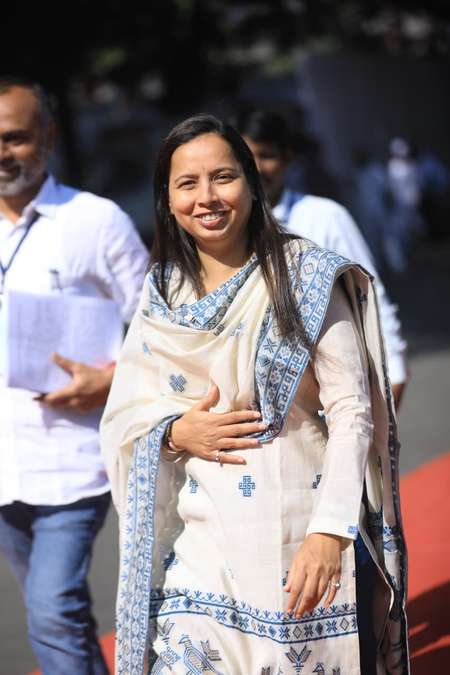
Mumbai, Feb 25 (IANS) Maharashtra Minister of Women and Child Welfare Aditi Tatkare on Wednesday said that 192 Gram Panchayats from the state have secured positions among the top 1,000 performing Gram Panchayats in the country — the highest representation by any state in the ‘Suposhit Gram Panchayat Abhiyaan’.
This milestone reflects the state’s strong commitment to strengthening nutrition outcomes at the grassroots level, she said.
The Suposhit Gram Panchayat Abhiyaan is a national initiative aimed at improving nutritional indicators by converging efforts of Integrated Child Development Services (ICDS), health departments, local self-governments and community stakeholders. The campaign focuses on reducing malnutrition, improving maternal and child health, strengthening Anganwadi services and ensuring last-mile delivery of nutrition interventions, said the minister.
“Maharashtra’s success is the result of coordinated action, robust monitoring mechanisms, community participation and dedicated efforts of ICDS officers, supervisors, Anganwadi workers and frontline functionaries across districts. Focused interventions under POSHAN Abhiyaan, strengthened growth monitoring, behavioural change communication and targeted outreach to vulnerable beneficiaries have played a pivotal role in achieving these outcomes,” said Minister Tatkare.
She congratulated all officers and field functionaries for their tireless efforts and reiterated the government’s commitment to building a ‘Suposhit Maharashtra’ through sustained policy support, innovation and accountability.
“This achievement not only sets a national benchmark but also serves as a strong motivation to further intensify nutrition-focused initiatives across the state,” she remarked.
According to the department, Suposhit Gram Panchayat Abhiyaan serves as a powerful catalyst for change, inspiring communities to embrace sustainable practices and innovative approaches in their fight against malnutrition. It focuses on improving nutritional outcomes through practices such as the use of millets in Hot Cooked Meals (HCM) & Take Home Ration (THR), the development of Poshan Vatikas/nutri-gardens in Anganwadi Centres (AWCs), using its produce for preparation of HCM for the beneficiaries and diet diversity and use of local food. In addition, best practices emerging from the Anganwadi Centres are regularly documented and disseminated for wider adoption.
–IANS
sj/dpb