
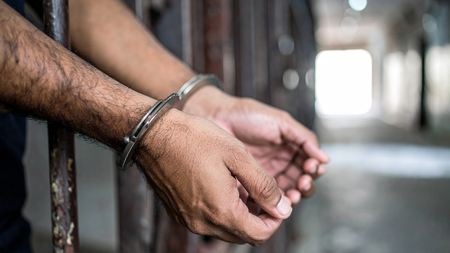
New Delhi/Rajkot, July 1 (IANS) The Central Bureau of Investigation (CBI) has achieved a significant breakthrough in its crackdown on sophisticated cyber frauds by arresting a key accused from Rajkot, Gujarat, on June 30, 2026. The arrested individual, based in Karnal, Haryana, is linked to a chilling “digital arrest” scam that targeted a senior citizen in Madhya Pradesh, resulting in a loss of Rs 25.65 lakh.
The case was originally registered by the State Cyber Crime Police in Bhopal and later transferred to the CBI following directions from the Supreme Court in a writ petition.
The CBI re-registered the case on April 11, 2026, against unknown persons. Investigators have been pursuing a network of fraudsters who impersonate law enforcement and security officials to extort money from vulnerable citizens.
According to the complaint, the elderly victim received threatening calls from individuals posing as officers from security and counter-terrorism agencies. The scammers falsely alleged that her bank account was linked to terrorism-related activities and warned of imminent arrest along with seizure of her properties.
To build credibility, they even sent a forged attachment order. Panicked, the victim was coerced into transferring Rs 25.65 lakh to two separate bank accounts controlled by the fraudsters. During the probe, the CBI facilitated the refund of Rs 2.65 lakh to the victim after securing necessary orders from the competent court, providing some relief to the distressed senior citizen.
The agency continues to investigate the broader conspiracy, tracing the flow of funds and identifying other members of the syndicate.
“Digital Arrest” scams have emerged as one of the most pernicious forms of cyber fraud in recent years. Fraudsters exploit fear by claiming victims are under virtual arrest for serious offences like money laundering or terror financing, pressuring them to comply with demands for “proof of innocence” through monetary transfers.
The CBI has issued a strong advisory to the public, urging citizens to remain vigilant against such threats. People should never share personal or financial details — including bank account information, passwords, OTPs, or any credentials — with unknown callers.
The agency emphasised that no legitimate law enforcement officer asks for such information over the phone or demands immediate money transfers.
–IANS
sktr/uk


