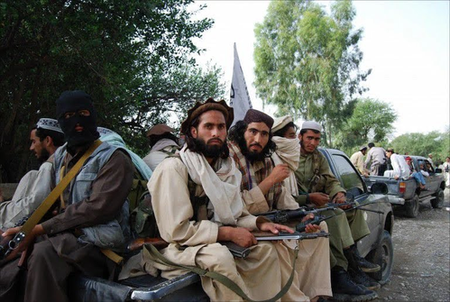
New Delhi, Aug 13 (IANS) The Taliban regime in Afghanistan will be marking five years of rule since Kabul fell to them while US‑led peacekeeping troops withdrew hastily. The regime remains officially unrecognised by the world, except Russia.
A United Nations Assistance Mission in Afghanistan (UNAMA) report released Thursday highlighted aspects of the current Taliban regime. It noted that Afghanistan has experienced improved security, while urging the de facto authorities to take significant steps that could contribute to lasting stability.
The UNAMA stressed that a reduction in conflict has brought tangible benefits for many Afghans and created opportunities to focus on recovery, development and regional economic cooperation, with positive steps including a ban on opium poppy cultivation.
At the same time, the world body pointed out significant challenges, particularly restrictions on women and girls and ongoing terrorism concerns. These were cited as impediments to Afghanistan’s path toward post‑conflict recovery and progress towards the goal of a nation “at peace with itself and its neighbours, fully reintegrated into the international community, and meeting its international obligations”.
The United Nations has continued to engage with de facto authorities and support the population with humanitarian assistance, basic services and on political and human rights issues. “This has helped contribute to a measure of stability and set out a clear pathway for reintegration based on respect for the human rights and inclusion of all Afghans,” the report stated.
Meanwhile, billions of dollars in Afghan central bank reserves remain frozen, while Taliban leaders face sanctions and travel bans. Aid has been slashed, leaving ordinary Afghans to bear the brunt as tens of thousands of refugees return home. Currently, 22 million Afghans, including 10.7 million women and girls, require humanitarian assistance.
Countries that refuse to formally recognise the Taliban regime still maintain working relations with Afghanistan, given its geopolitical and economic importance in Central‑South Asia. Afghanistan can be a critical hub for trade, energy and security, making complete isolation impractical.
Apart from Russia, China, Iran and India have developed pragmatic ties with Kabul, stopping short of recognition but engaging in trade, investment and diplomacy. Security concerns, counterterrorism and regional stability shape India’s strategic interests. While New Delhi has not formally recognised the Taliban regime, it continues to engage pragmatically to safeguard its influence in Central‑South Asia.
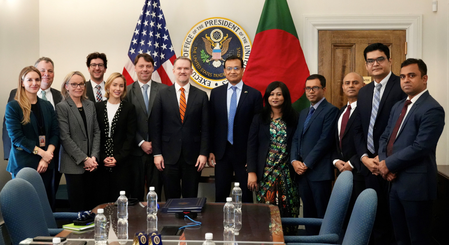
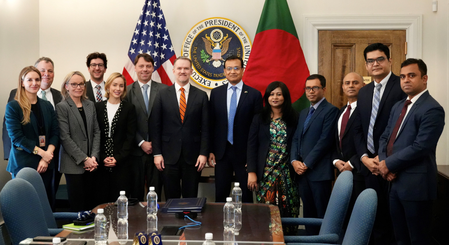
India sent humanitarian aid in 2021 and has since reopened its embassy in Kabul. High‑level meetings between Indian officials and Taliban representatives reflect cautious but deliberate engagement. India has invested in more than 500 projects across Afghan provinces, covering energy, healthcare, education and agriculture.
China has intensified its presence in Afghanistan, eyeing mineral resources estimated at USD 1 trillion and linking them to its Belt and Road Initiative (BRI). New Delhi seeks to counterbalance Beijing’s growing footprint.
Additionally, initiatives like cricket exchanges and scholarships have built strong people‑to‑people ties. While human rights concerns prevent formal recognition of the Taliban, India cannot afford disengagement and risk losing influence in a region that remains vital.
The world cannot afford to legitimise Taliban rule, but neither can it abandon Afghanistan, where strategic “Great Games” continue to shape the future of Central‑South Asia.
–IANS
jb/dan