Rome, Aug 7 (IANS) Italy will not reverse its decision to temporarily suspend the application of the Schengen Agreement for third-country nationals arriving from Spain until at least August 15 amid national security and border control concerns, the Italian government said on Friday.
The government said Italy “does not accept ultimatums or external pressure” on matters concerning national security and border management.
The temporary measure will remain in place until authorities are certain that there are no security or terrorism risks to Italy, no new large-scale migration waves toward Europe, and no irregular migrants heading to Italian territory via Spain, the government said.
Italian authorities noted that Spanish officials have warned of a possible new wave of migrant arrivals in the Spanish enclave of Ceuta around August 15, adding that the situation will be reassessed only after related security risks have been ruled out, Xinhua News Agency reported.
The government stressed that the measure is not directed against Spain, describing it as “a friendly country.” It added that Italy had adopted similar temporary border measures in the past, including with Slovenia, while other European countries had also imposed comparable controls on Italy and Spain.
Italy said it remains ready to maintain constructive dialogue with the Spanish government once the current security concerns subside.
The government also said the temporary controls do not apply to Spanish or other European Union citizens travelling by air or sea, and that Italian border authorities will seek to minimise disruptions to legitimate cross-border travel.
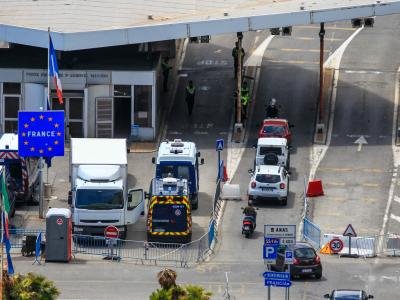
The dispute came after Italy announced recently that it would temporarily reintroduce border controls for third-country nationals entering from Spain under the Schengen framework, citing concerns over irregular migration and potential security risks linked to migration flows through Spain.
The move prompted objections from Madrid, as it argued that the measure was disproportionate and inconsistent with the Schengen area’s principle of free movement.
–IANS
ksk/dan