Tokyo, June 3 (IANS) The recent incidents across Japan, including at the Kawagoe mosque, allegations of illegal structures in Hokkaido linked to Pakistani communities, and protests in Fujisawa over proposed mosques near Shinto, have highlighted recurring tensions over “zoning, noise from calls to prayer, traffic, and cultural practices,” a report has stated.
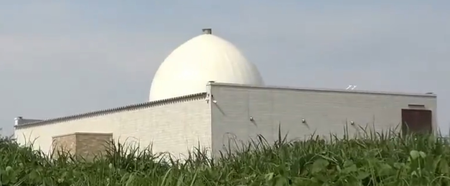
“In late May 2026, Kawagoe City in Saitama Prefecture ordered the demolition of the Japan Jame Masjid Ramzan, a mosque constructed without required permits in a restricted urbanization adjustment zone. Multiple stop-work orders were reportedly ignored after residents flagged the nearly completed structure in late 2024. The owner, a Pakistan-affiliated company, eventually submitted a corrective plan agreeing to removal,” a report in Khalsa Vox detailed.
The report highlighted that the Pakistani ambassador to Japan attended the mosque’s inauguration on April 3, following assurances that the project complied with local regulations. However, soon after Pakistan’s Embassy in Tokyo released a public statement calling on its nationals to “comply with Japanese laws in all matters, including the construction of mosques” and secure necessary permits.
“This episode is not primarily about religion. It is about sovereignty and reciprocity. Japan maintains some of the world’s strictest zoning and building regulations, applied uniformly to preserve its densely populated, orderly society. A controlled urbanization zone exists for a reason: to prevent sprawl, protect rural character, and enforce planning. Ignoring stop-work orders and presenting a fait accompli is not a cultural misunderstanding—it’s defiance of the host nation’s framework,” the report mentioned.
Stressing that the Embassy’s advisory is indicative of the disturbing attitude within the sections of the Pakistani community in Japan, it further said, “When a diplomatic mission must publicly instruct its diaspora to follow basic laws, it signals that segments of the community view rules as flexible. The ambassador’s attendance, based on apparently false assurances, further muddies accountability.”
According to the Khalsa Vox report, the Kawagoe case underscores the need for Japan to enforce its regulations without favouritism, closely monitor foreign-linked land purchases in sensitive zones, and ensure residency policies reflect compliance with local norms. Pakistan, for its part, should advise its expatriates to act as responsible guests rather than overstepping boundaries.
“Nations are not hotels. They are inherited homes with rules refined over centuries. Japan has every right—indeed, a duty—to protect that inheritance. Tolerance is a two-way street. When communities treat the host’s laws as optional, the proper response is not accommodation but insistence on compliance,” the report noted.
–IANS
scor/as